A climber who spent days dragging himself off Mount Everest after being abandoned by his team has been released from intensive care, as calls for a formal investigation into the incident continue to mount.
Survivor's Ordeal
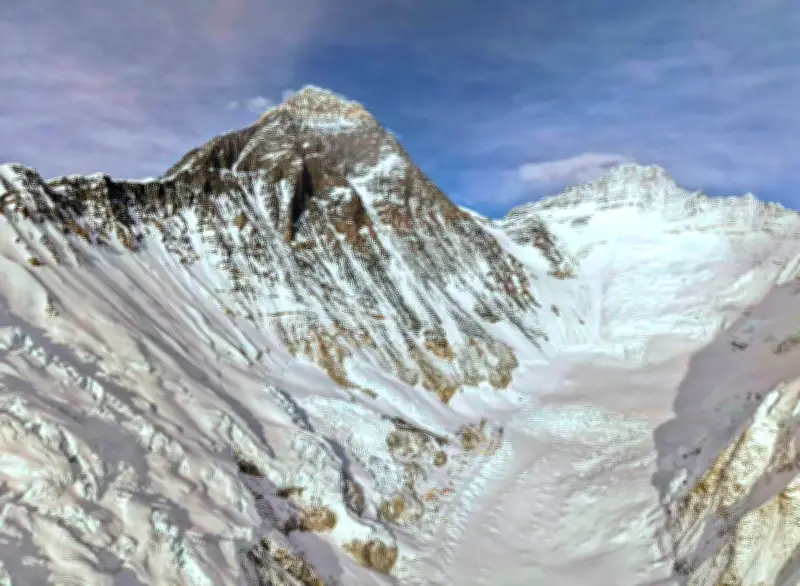
The survivor, whose identity has not been disclosed, was left behind at an altitude above 8,000 meters, commonly known as the 'death zone,' after being deemed too weak to continue. Over several days, he managed to crawl and drag himself down the mountain, eventually reaching a lower camp where he was rescued and airlifted to a hospital in Kathmandu.
Medical Recovery
Hospital officials confirmed that the climber has been moved out of intensive care and is in stable condition. He suffered severe frostbite, dehydration, and exhaustion but is expected to make a full recovery. Doctors have praised his remarkable will to survive.

Calls for Investigation
The incident has sparked outrage in the mountaineering community, with many demanding a thorough investigation into the actions of the expedition organizers and guides. Critics argue that abandoning a climber in the death zone violates ethical standards and endangers lives. The Nepal Tourism Board has stated it is reviewing the case and considering possible sanctions against the expedition company involved.
Broader Implications
This case has reignited debates about overcrowding on Everest, the commercialization of expeditions, and the lack of regulation. Mountaineering experts are calling for stricter rules, including mandatory rescue insurance and better training for guides. The Nepalese government has faced pressure to implement reforms to prevent similar tragedies in the future.
As the survivor continues his recovery, the mountaineering world awaits the outcome of the investigation, hoping it will lead to safer practices on the world's highest peak.