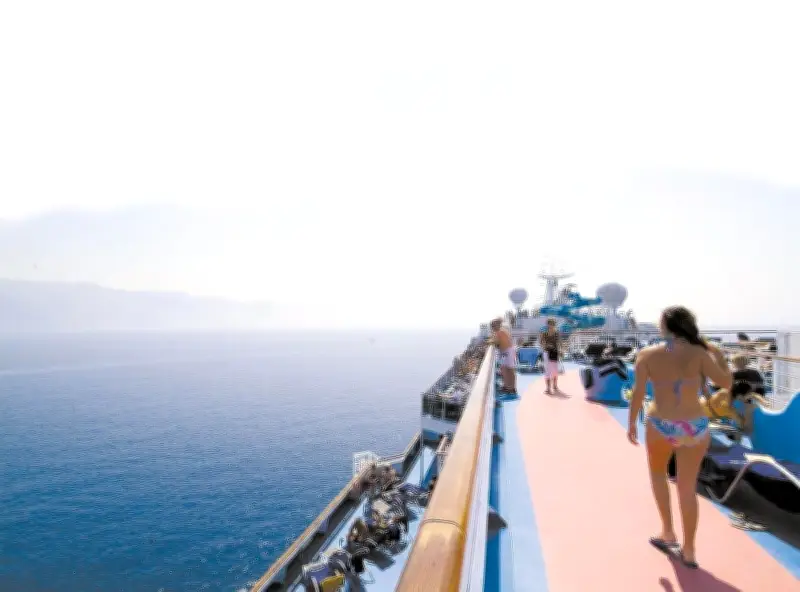
Carnival Cruise Line has issued a strict dress code for beachgoers visiting the Pacific island of Lifou, New Caledonia, emphasizing respect for local culture. Passengers aboard the Carnival Splendor were warned that revealing swimwear, including thongs and monokinis, is prohibited even on the beach.
Respecting Local Customs
Ship captain Eduardo Ferrone communicated the guidelines in a letter to passengers, stating, "To observe the local customs of the island, a respectful dress code is essential. Swimwear should only be worn at the beach or by a pool and should be very modest in nature. G-strings, thongs, monokinis or mankinis should not be worn (even on the beach) and topless sunbathing is also not permitted at any time."
Carnival identifies Lifou as a destination where more conservative attire is required due to its tribal and religious demographics. The company notes, "Some destinations, such as Lifou, which is a tribal island, are populated by proud indigenous people whose culture is based on respect, and in many cases are highly religious. The communities in these locations also request visitors to wear traditional one-piece or full-piece swimsuits and refrain from wearing bikini or monokini-type swimsuits (while) at the beach."

Common Practice at Ports of Call
Such dress code demands are not unusual at ports of call or iconic tourist destinations, especially religious sites. For instance, visitors to Vatican City must cover shoulders and knees, and hats are prohibited inside the Alamo church to honor fallen soldiers. Carnival encourages passengers to research local customs before traveling to avoid any issues.
The cruise line's policy aims to ensure that guests enjoy their experience while respecting the cultural norms of the communities they visit. Passengers who fail to comply may face consequences, though specific penalties were not detailed.