Recent headlines would have seemed almost unimaginable just a few years ago: rents down, vacancy rates up; housing prices softening; more affordable rental options appearing. After years of relentless upward pressure on rents and housing prices, there are now measurable signs that British Columbia's housing market — especially the rental market — may finally be starting to loosen.
That progress reflects years of co-ordinated action by governments, municipalities, non-profit housing organizations, the construction sector, and private developers under growing public pressure to address one of B.C.'s defining social and economic challenges.
The housing crisis is far from solved, of course. Home ownership remains out of reach for many younger families. Infrastructure pressures remain significant. And many communities are still struggling with the consequences of rapid growth. But for the first time in years, there are signs that the situation may be moving in a better direction.

Rental Housing: The First Real Signs of Relief
The clearest evidence is appearing in the rental market. According to Rentals.ca, asking rents for purpose-built apartments and condominiums in B.C. were down 11.8 per cent as of February 2026 from their September 2023 peak. Apartment rents in Vancouver fell 7.2 per cent year-over-year — the largest decline among Canada's six largest urban markets.
At the same time, vacancy rates have risen. The vacancy rate in Greater Vancouver has climbed from 1.6 per cent to 3.7 per cent — the highest level in about three decades.
For years, near-zero vacancy rates created enormous pressure on renters, driving bidding wars, renovictions, instability, and escalating rents. A healthier vacancy rate gives renters more choice, reduces panic in the market, and begins to moderate upward price pressure.
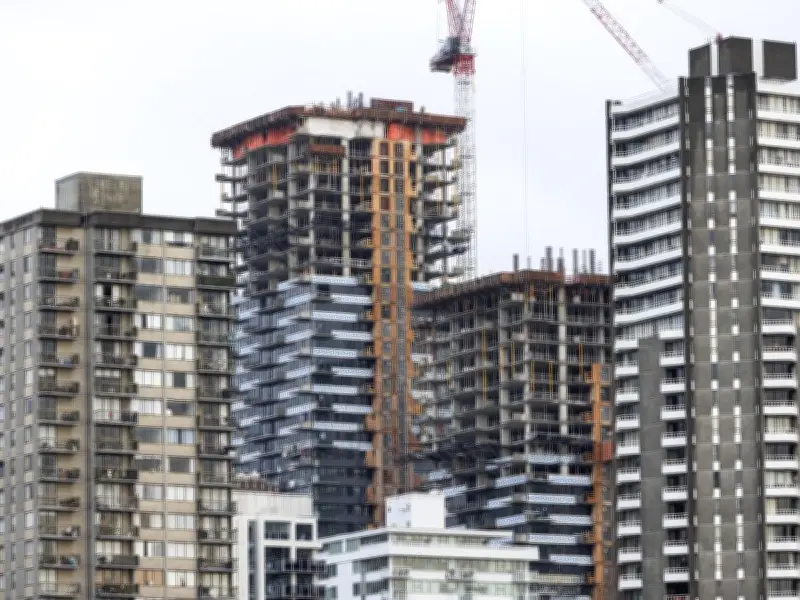
Since 2021, B.C. has added approximately 72,000 rental units, based on cumulative annual registrations reported through B.C. Housing's new homes registry, driven largely by a major increase in purpose-built rental construction.
The rental protection fund, originally created with a goal of preserving 2,000 affordable rental units, has already surpassed that target. Nearly 2,200 units in older apartment buildings have now been secured through partnerships with non-profit housing organizations, helping protect affordable rental stock from speculative redevelopment and displacement.
Ownership and Middle-Income Housing
Housing affordability remains a major challenge, particularly for younger families and first-time buyers. Still, there are early indications of moderation. Home ownership affordability continues to challenge younger generations, but housing prices in B.C. have softened. While the market is far from balanced, the trend offers a glimmer of hope for those who have been priced out for years.
Infrastructure pressures remain significant as communities grapple with rapid growth. However, the co-ordinated efforts across all levels of government and the private sector are beginning to yield results. The path forward requires continued commitment to building more housing, protecting affordable stock, and ensuring that the gains made are not lost.
For now, the signs are encouraging. Apocalypse postponed? Perhaps. But the work is far from over.