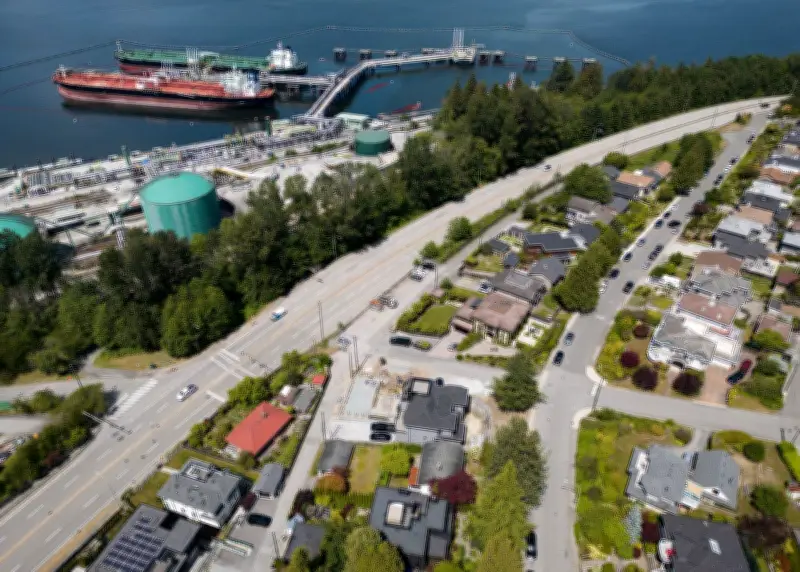
Trans Mountain Pipeline Nears Full Capacity
Trans Mountain Corporation has announced that oil shipments through its expanded pipeline are expected to reach 90% of capacity during the second quarter of 2026. This milestone represents a significant achievement for the project, which has faced years of delays and regulatory hurdles.
The pipeline, which runs from Alberta to the British Columbia coast, began commercial operations in May 2024 after decades of controversy. Since then, throughput has steadily increased as shippers ramped up their commitments. The 90% capacity target underscores strong demand for Canadian crude oil access to international markets.
Operational Highlights
According to the company, the pipeline is currently transporting approximately 850,000 barrels per day, approaching its design capacity of 890,000 barrels per day. The remaining 10% capacity is expected to be filled as additional pumping stations come online and operational efficiencies improve.

Trans Mountain's CEO stated that the company is focused on safe and reliable operations while working to maximize throughput for its customers. The pipeline has already transported over 100 million barrels of crude oil since its expansion launch.
Economic and Environmental Impact
The expanded pipeline has provided a crucial outlet for Canadian oil producers, reducing the price discount on Canadian heavy crude relative to West Texas Intermediate. However, environmental groups continue to criticize the project, citing concerns about greenhouse gas emissions and the risk of oil spills along the pipeline route and at the marine terminal in Burnaby, British Columbia.
Indigenous communities along the pipeline corridor remain divided, with some benefiting from equity partnerships and others opposing the project due to environmental and cultural concerns.
Future Outlook
Trans Mountain expects to reach full capacity by late 2026 or early 2027, pending the completion of additional infrastructure upgrades. The company is also exploring potential expansions to further increase capacity in response to growing demand from Asian markets.
Meanwhile, the federal government, which owns the pipeline, has indicated it is considering options for divestment, including a potential sale to Indigenous groups or private investors. No timeline has been set for any such transaction.