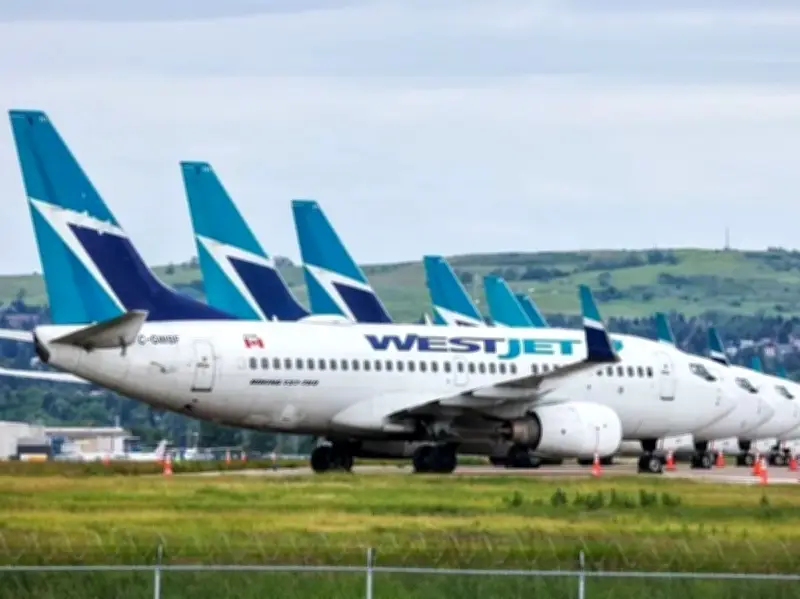
WestJet Airlines Ltd. has strongly condemned the Canadian government's proposal to provide up to $150 million in loans to airlines struggling with elevated jet fuel prices following the closure of the Strait of Hormuz. The Calgary-based carrier expressed its opposition in an emailed statement on Monday, arguing that such intervention distorts market dynamics.
Government's Loan Program Details
The federal government announced that eligible Canadian airlines could request repayable liquidity support to maintain operations, preserve jobs, and sustain a competitive airline sector. In April, Ottawa suspended the fuel excise tax, including on aviation fuel, until September 7. However, WestJet rejected the loan offer, stating, "We do not take government loans and instead advocate for a competitive environment where airlines can succeed based on their own strength." The company drew parallels with COVID-era loans, some of which were later written down by the government.
Industry Reactions
WestJet also cautioned against market distortions, particularly amid ongoing trade tensions with the United States. "Canada should stay away from distorting markets, both within our country and across the border to the U.S., especially at this sensitive time between our nations," the airline said in an apparent reference to the trade war.

Transat AT Inc., owner of Air Transat, has already restructured emergency government loans from the pandemic. Last month, Transat reported that soaring fuel prices cost it an additional $70 million over March and April. The company is reviewing the new loan program's terms, as is Porter Airlines, which noted that aircraft fuel prices have doubled since the start of the year.
Air Canada, the country's largest airline, stated it has a "very strong balance sheet built in anticipation of events such as the recent spike in fuel prices" and can adapt to manage the situation. The carrier suspended its full-year financial guidance in May due to fuel costs. In contrast, low-cost carrier Flair Airlines Ltd. welcomed the government's intervention.
Broader Context
The loan program aims to mitigate the impact of high fuel prices on the aviation sector, which has faced significant cost pressures. While some airlines see the loans as a necessary lifeline, WestJet's criticism highlights divisions within the industry over the role of government support in maintaining competition and market stability.