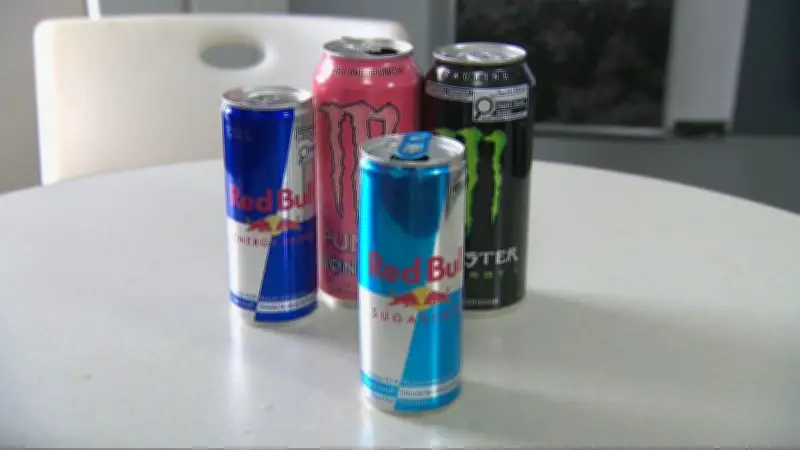
Health advocacy groups in Quebec are preparing to speak out in favor of proposed legislation that would ban the sale of energy drinks to anyone under the age of 16. The ban, which could take effect as early as next year, aims to curb the consumption of high-caffeine and sugary beverages among minors, which have been linked to various health issues including heart palpitations, sleep disturbances, and increased anxiety.
Health Concerns Drive Proposed Legislation
According to public health officials, energy drinks contain high levels of caffeine and other stimulants that can be particularly harmful to adolescents. The proposed ban has garnered support from medical professionals, parents, and educators who argue that such products should be regulated similarly to alcohol and tobacco. A spokesperson for the Quebec Coalition on Nutrition said, "We have seen a troubling rise in emergency room visits related to energy drink consumption among teenagers. This legislation is a necessary step to protect our youth."
Industry Response and Opposition
Not everyone is in favor of the ban. The Canadian Beverage Association has voiced opposition, arguing that responsible consumption should be taught rather than legislated. They claim that energy drinks are safe when consumed in moderation and that the ban would unfairly target an entire product category. However, health groups counter that the marketing of these drinks often targets young people, making regulation essential.

Broader Context: Similar Bans Elsewhere
Quebec is not the first jurisdiction to consider such a measure. Several European countries, including Lithuania and Latvia, have already implemented similar bans on energy drink sales to minors. In the United Kingdom, major retailers have voluntarily stopped selling energy drinks to under-16s. If passed, Quebec would be the first Canadian province to enact such a law, potentially setting a precedent for other provinces to follow.
Next Steps in the Legislative Process
The bill is currently under review by the Quebec National Assembly's health committee. Public consultations are scheduled for later this month, where both proponents and opponents will have the opportunity to present their arguments. If approved, the ban would come into effect 12 months after royal assent, giving retailers time to adjust their inventory and marketing strategies.
Health groups are urging the government to act swiftly, citing the urgency of protecting young people from the potential harms of energy drinks. They plan to hold a press conference on Monday to outline their position and call for immediate action.