Canadian farm groups are urging a comprehensive review of the Alto high-speed rail project, expressing concerns over escalating costs and potential negative impacts on agriculture and the environment. The groups argue that the project, which aims to connect major urban centers, could disrupt farming operations and lead to significant financial burdens for taxpayers.
Cost Concerns Mount
According to the farm organizations, the projected budget for Alto has ballooned, raising questions about its economic viability. They emphasize that these funds could be better allocated to other infrastructure or agricultural support programs. The groups are calling for a transparent cost-benefit analysis before proceeding further.
Environmental and Agricultural Impacts
Beyond costs, the farm groups highlight potential environmental consequences, including habitat fragmentation and increased greenhouse gas emissions during construction. They also warn that the rail line could bisect prime agricultural land, affecting crop production and livestock operations. The review would assess these impacts and explore mitigation strategies.

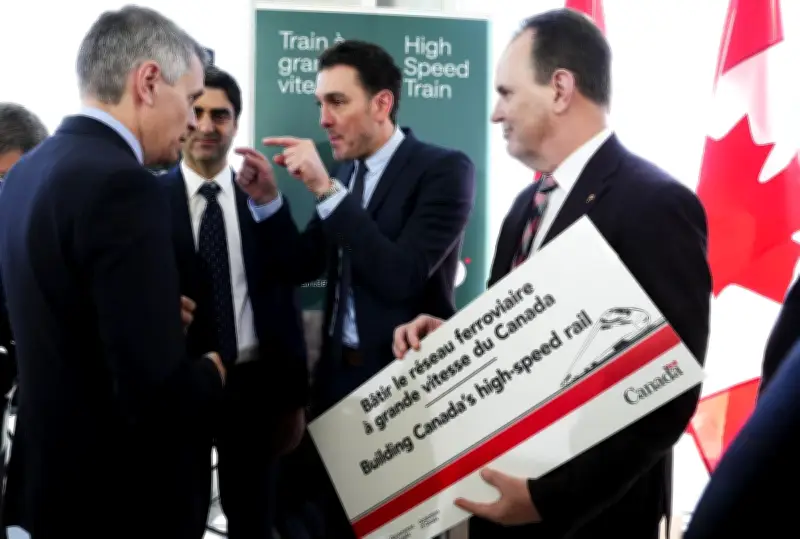
The Alto project, championed by Transport Minister Steven MacKinnon and Alto CEO Martin Imbleau, aims to provide high-speed rail service between Toronto, Ottawa, and Montreal. However, opposition from agricultural stakeholders has intensified, with calls for public consultations and independent studies.
As the debate continues, farm groups are mobilizing support from other sectors, urging the federal government to pause the project until a thorough review is completed. The outcome could influence the future of high-speed rail in Canada and set a precedent for balancing infrastructure development with agricultural and environmental priorities.